
 See Our Latest Article on HelloNation
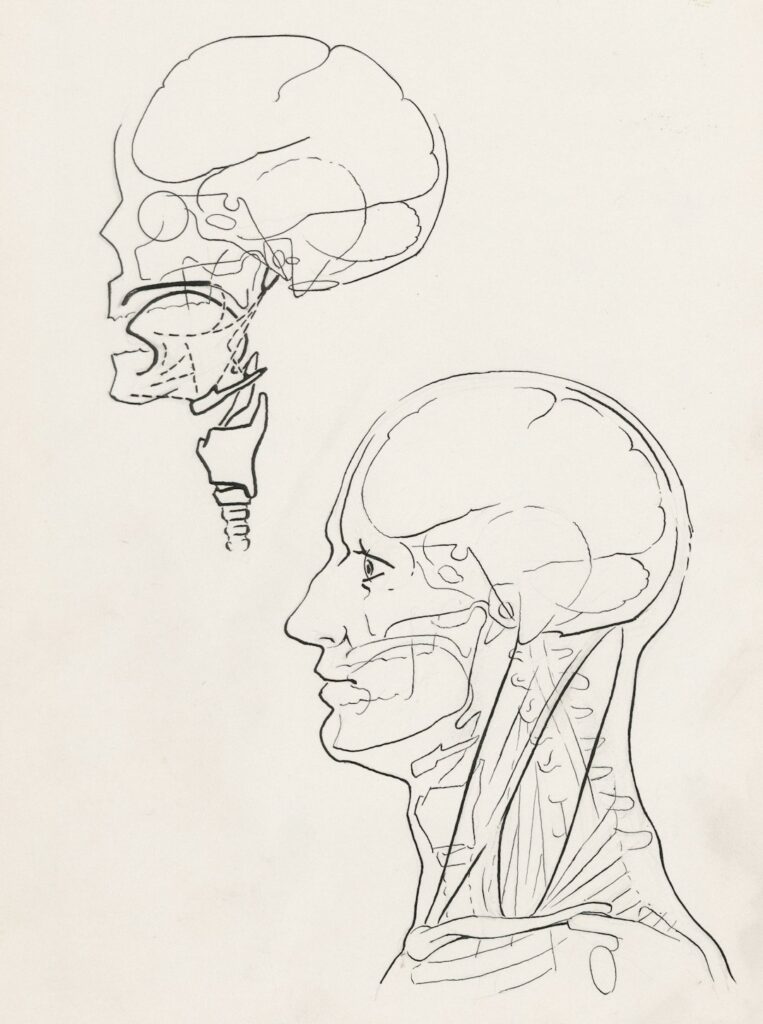
Jaw pain is often discussed as a dental or jaw-joint problem, but the muscles and joints of the neck can also influence how the jaw moves and how pain is felt. For residents of Troy, NY, understanding this connection can help distinguish between temporary muscle tension, a temporomandibular disorder, and symptoms that need prompt medical or dental evaluation.
How are the jaw and spine connected?
The jaw, neck, upper back, and skull work together as a coordinated movement system. Muscles that help hold the head upright are closely linked with muscles involved in chewing, swallowing, speaking, and opening the mouth.
If the head stays forward for long periods, the upper neck may work harder to support it. This can increase tension in the muscles around the base of the skull, shoulders, and jaw. In some people, that tension contributes to clenching, headaches, facial discomfort, or pain near the jaw joint.
The relationship also works in the opposite direction. Jaw pain may cause a person to brace the neck, raise the shoulders, or avoid normal head movement. Over time, this protective pattern can create additional stiffness and soreness.
This does not mean that poor posture automatically causes jaw problems. Jaw pain can have many causes, and spinal alignment is only one possible influence.
What symptoms may suggest a jaw-and-neck connection?
Jaw-related symptoms may occur alongside neck or upper-spine complaints. Common patterns include:
- Soreness in the jaw muscles, temples, cheeks, or area in front of the ears
- Neck stiffness that worsens during chewing, talking, or stressful periods
- Headaches beginning near the temples or base of the skull
- Pain that spreads between the jaw, face, neck, and shoulders
- A tired or tight feeling after waking
- Clenching or grinding during sleep or concentration
- Reduced ability to open the mouth comfortably
- Clicking, popping, or grating in the jaw joint
Jaw sounds without pain are common and do not necessarily indicate damage. Concern is more appropriate when clicking or popping is accompanied by pain, locking, swelling, limited movement, or a noticeable change in the way the teeth meet.
Can posture cause jaw pain?
Posture may contribute to symptoms, but it is rarely the only explanation. Sitting with the head projected forward, using a phone for extended periods, or working at a poorly arranged computer station can increase neck-muscle activity. That increased activity may affect the muscles that help stabilize the jaw.
A person does not need to maintain a perfectly straight posture all day. More useful goals include changing positions regularly, keeping screens near eye level, supporting the forearms during desk work, and avoiding prolonged positions that clearly increase symptoms.
Seasonal routines may also play a role in the local community. Cold-weather driving, indoor work, heavier winter clothing, and reduced outdoor movement can encourage shoulder elevation and sustained neck tension. These habits may not directly cause a temporomandibular disorder, but they can make existing muscle sensitivity more noticeable.
What is a temporomandibular disorder?
Temporomandibular disorders, often called TMD, are a group of conditions affecting the jaw joints and the muscles used for chewing. They are not limited to one diagnosis and may involve muscle irritation, joint inflammation, disc movement, arthritis, injury, stress-related clenching, or combinations of these factors.
TMD symptoms can include jaw pain, facial pain, stiffness, painful clicking, limited movement, locking, ear-related sensations, and neck discomfort. Dental problems, sinus conditions, headaches, nerve irritation, and other medical issues can create similar symptoms, so jaw pain should not automatically be labeled TMD.
A thorough evaluation generally considers the jaw, teeth, face, neck, medical history, sleep habits, medications, injuries, and patterns such as clenching or chewing gum. Imaging is not required for every case, but it may be considered when there is significant trauma, persistent locking, severe loss of movement, or concern about joint damage.
How might chiropractic care relate to jaw pain?
A chiropractic evaluation may focus on the neck, upper back, posture, muscle tension, joint movement, and movement habits that could be contributing to discomfort. Gentle care directed at the cervical and upper-thoracic regions may be considered when symptoms appear to involve musculoskeletal tension.
However, spinal care should not be presented as a universal treatment for jaw disorders. Evidence about posture and TMD is complex, and a neck-focused approach may be more relevant for some people than others. Treatment should avoid forceful or painful jaw manipulation, especially when the cause of symptoms has not been established.

A dentist or physician may be better positioned to evaluate tooth damage, infection, joint disease, facial swelling, nerve symptoms, or changes in the bite. In some cases, coordinated care involving dental, medical, physical therapy, and musculoskeletal perspectives is more appropriate than relying on one type of evaluation alone.
What can be tried safely at home?
For mild, recent jaw or neck discomfort, conservative steps are usually reasonable:
- Choose softer foods temporarily if chewing increases pain.
- Avoid gum, nail biting, chewy foods, and deliberately testing the jaw joint.
- Keep the teeth slightly apart when not eating; the lips can rest together while the jaw remains relaxed.
- Use a warm compress on tense muscles or a cool pack if the area feels acutely irritated.
- Take brief movement breaks during computer work, driving, or phone use.
- Practice slow, comfortable neck movement without forcing the jaw open.
- Notice whether stress, poor sleep, caffeine, or daytime clenching increases symptoms.
Over-the-counter pain medicines may help some people, but they are not appropriate for everyone. Existing stomach, kidney, liver, bleeding, pregnancy, allergy, or medication concerns should be considered before using them.
Avoid aggressive stretching, forceful jaw exercises, attempts to “realign” the bite, or permanent dental changes made solely because of jaw clicking. Many jaw symptoms improve with simple care, and more invasive treatment is not automatically better.
When does jaw pain need prompt evaluation?
Prompt medical or dental attention is appropriate for jaw pain accompanied by facial swelling, fever, severe tooth pain, recent injury, unexplained weight loss, progressive numbness, difficulty swallowing, breathing problems, or inability to open or close the mouth.
Jaw discomfort with chest pressure, shortness of breath, sweating, nausea, unusual fatigue, or pain spreading into the arm or upper back can be an emergency rather than a spinal or dental problem.
Persistent symptoms also deserve evaluation when they interfere with eating, sleeping, speaking, work, or normal jaw movement. Keeping a short record of pain location, triggers, sleep quality, clenching, headaches, and neck activity can make the evaluation more useful.
The main practical point is that jaw pain and spinal health can influence one another through shared muscles, movement patterns, and the nervous system, but neither should be reduced to a single explanation. A careful assessment of the jaw, teeth, neck, habits, and general health provides a safer path to understanding what is happening.
