
 See Our Latest Article on HelloNation
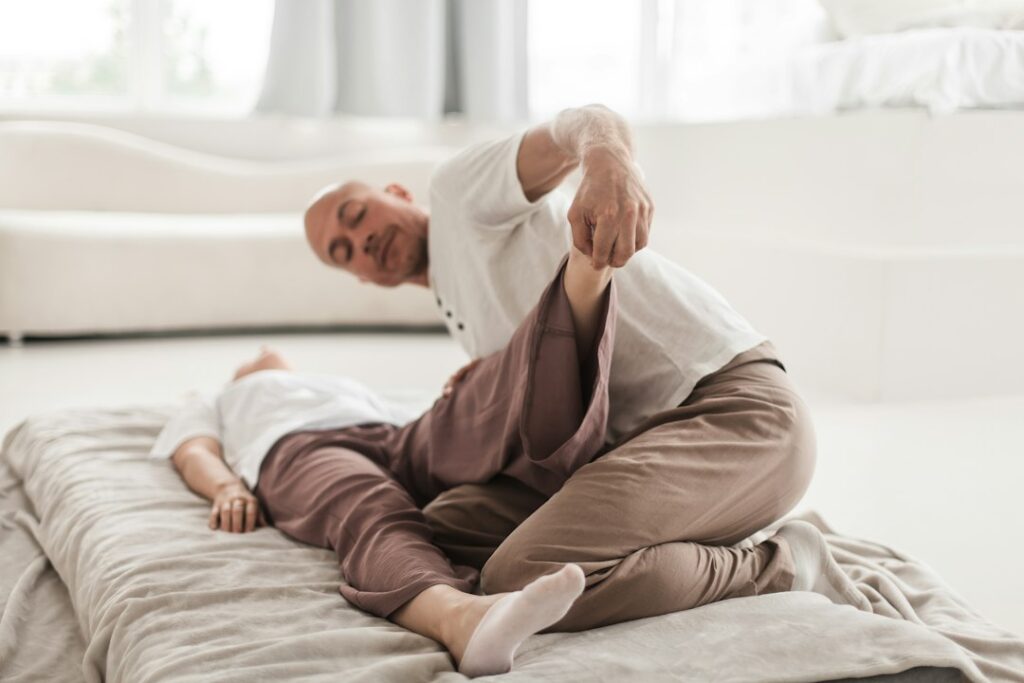
Chronic pain can affect movement, sleep, concentration, work, and mood. Self-care does not replace diagnosis or treatment, but consistent daily habits can reduce flare-ups, improve function, and make symptoms easier to manage.
For residents of Troy, NY, pain management may also be shaped by seasonal weather, older housing, walking conditions, commuting routines, and the physical demands of household tasks. A useful plan focuses less on eliminating every sensation of pain and more on protecting function, building tolerance, and recognizing changes that need medical attention.
What does chronic pain mean?
Chronic pain generally lasts for three months or longer, either continuously or in recurring episodes. It may result from an injury, arthritis, nerve irritation, spinal or joint problems, headaches, or a condition that affects the entire body.
Pain intensity is only one part of the picture. Sleep quality, stress, muscle strength, mobility, mood, and daily activity can all influence how pain is experienced. Two people with similar diagnoses may need very different self-care strategies.
A pain journal can help identify patterns. Record:
- Where the pain occurs
- What the pain feels like, such as aching, burning, stiffness, or tingling
- Activities that increase or reduce symptoms
- Sleep quality and energy level
- Stress, mood, and medication changes
- What daily activities have become difficult
The goal is not to monitor every sensation. A brief record can show whether a routine is helping and can provide useful information during a healthcare visit.
Should movement be avoided during a pain flare?
Usually, complete rest is not the best long-term strategy. Gentle, controlled movement often helps preserve strength and flexibility, although activity may need to be reduced temporarily during a flare.
Start below the level that triggers a major increase in symptoms. Examples include:
- A few minutes of easy walking
- Gentle range-of-motion exercises
- Light stretching without forcing a joint
- Water-based movement if available
- Short periods of standing between seated tasks
- Simple strengthening exercises using body weight or light resistance
A practical approach is “pacing.” Break a demanding task into smaller parts, alternate activity with brief rest, and stop before exhaustion. For example, snow-related chores, carrying laundry, cleaning, or climbing stairs may be easier when divided into short sessions rather than completed all at once.
Some discomfort during movement does not always mean harm. However, sharp, escalating, or radiating pain, new weakness, loss of coordination, or symptoms that remain substantially worse into the next day are reasons to stop and reassess the activity.
How can someone pace activity without becoming less active?
Pacing works best when activity is based on a planned amount rather than waiting until pain becomes severe. If a ten-minute walk consistently causes a flare, begin with a shorter interval and increase gradually.
Try the following:
- Set a modest time or distance goal.
- Use a timer to change position before stiffness becomes intense.
- Alternate physically demanding tasks with lighter ones.
- Keep frequently used items within easy reach.
- Use stable footwear and handrails where appropriate.
- Plan strenuous chores for the time of day when energy is usually highest.
During cold or icy weather, outdoor walking may require extra caution. Indoor walking routes, gentle mobility exercises, or repeated short movement breaks can help maintain activity when sidewalks and steps are unsafe. Cold temperatures may also increase stiffness for some people, making a gradual warm-up useful.
Can sleep affect chronic pain?
Yes. Poor sleep can increase sensitivity to pain, reduce coping ability, and make muscles feel more tense. Pain can also interfere with sleep, creating a cycle that is difficult to break.
Helpful sleep habits include maintaining a regular wake time, limiting long daytime naps, and keeping the bedroom dark and comfortably cool. Gentle stretching, slow breathing, or a warm shower before bed may help the body transition to rest.
Positioning can also matter. A pillow between the knees may reduce strain for some side sleepers, while a pillow under the knees may feel more comfortable for some back sleepers. The best position is the one that allows relaxed breathing and does not increase symptoms.
Persistent snoring, gasping during sleep, severe daytime sleepiness, or repeated nighttime awakenings should be discussed with a healthcare provider because an untreated sleep disorder may worsen pain and fatigue.
What role do stress and mood play?
Stress does not mean pain is imaginary. Stress can increase muscle tension, disrupt sleep, and make the nervous system more alert to unpleasant sensations. Anxiety and low mood may also reduce activity, social connection, and motivation.

Brief techniques can be practiced without special equipment:
- Breathe in gently and make the exhale slightly longer.
- Relax the jaw, shoulders, hands, and abdomen.
- Use a guided relaxation or mindfulness exercise.
- Take a short walk while paying attention to breathing and foot movement.
- Keep regular contact with supportive friends or family.
- Divide overwhelming tasks into one clearly defined next step.
Counseling or cognitive behavioral approaches may help people change unhelpful pain-related patterns and improve daily function. Seeking this type of support is not an admission that pain is psychological; it is one way to address the physical, emotional, and behavioral effects that often occur together.
Are heat, cold, stretching, or massage safe?
These measures may provide short-term comfort, but they should be used carefully. A wrapped heating pad or warm shower may ease muscle stiffness. A cold pack may help after activity-related irritation or swelling. Limit exposure, protect the skin, and avoid sleeping with heating devices in place.
Stretching should feel mild, not forced. Repeatedly stretching an already irritated nerve or joint can worsen symptoms. Massage may feel helpful for muscle tension, but it should not be used to press aggressively over a swollen, injured, numb, or unusually tender area.
Chiropractic care, physical therapy, exercise instruction, and other approaches may be appropriate for some causes of musculoskeletal pain, but the correct choice depends on the diagnosis, medical history, medications, and symptom pattern. No single approach is suitable for every person.
When should chronic pain be evaluated promptly?
New or changing symptoms should not automatically be blamed on an existing pain condition. Prompt medical evaluation is appropriate for severe or rapidly worsening pain, pain after a significant injury, unexplained fever, or a red, hot, swollen joint.
Urgent attention is especially important for:
- New loss of bladder or bowel control
- Numbness in the groin or inner thighs
- Progressive weakness in an arm or leg
- Trouble walking or maintaining balance
- Chest pain, shortness of breath, or fainting
- Unexplained weight loss or persistent night pain
- Severe headache with confusion, weakness, or vision changes
Medication changes also deserve care. Over-the-counter pain relievers can cause stomach, kidney, liver, blood pressure, or bleeding problems in some people and may interact with other medicines. Use only as directed on the label or by a qualified healthcare professional.
What is a realistic self-care plan?
A manageable plan usually includes one movement habit, one sleep habit, and one strategy for stress or flare-ups. For example, a person might take three short walks, keep a consistent wake time, and use five minutes of slow breathing each day.
Track function as well as pain. Being able to stand longer, sleep more consistently, prepare a meal, walk safely, or complete household tasks with fewer breaks can represent meaningful progress even if pain has not disappeared.
Chronic pain management is usually more sustainable when it combines gradual activity, adequate rest, thoughtful pacing, safer movement, and attention to warning signs. The most useful routine is one that can be repeated during ordinary weeks, including the colder and more physically demanding seasons experienced by local households.
